
How Pet Owners Can Prepare Their Puppies for a Veterinary Visit
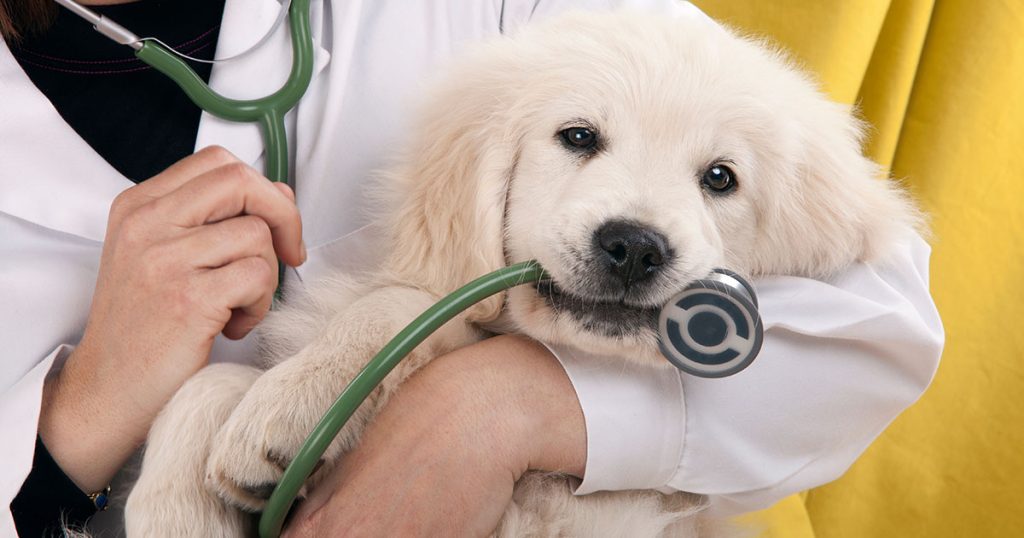
A puppy’s first veterinary visits play an important role in shaping how they respond to medical care as they grow. With thoughtful preparation, pet owners can help make these early experiences calmer and more positive. Preparing your puppy ahead of time can reduce stress, improve cooperation during exams, and help veterinary visits go more smoothly for both pets and their owners.
Why Preparing Your Puppy for the Vet Matters
Puppies go through key developmental stages where new experiences leave lasting impressions. A veterinary clinic introduces unfamiliar sights, sounds, smells, and handling. Bright lights, medical equipment, other animals, and physical exams can feel overwhelming to an unprepared puppy.
Without gradual exposure, some puppies may develop fear or anxiety around veterinary visits. Preparation helps puppies learn that vet appointments are routine, manageable experiences rather than something to fear.
Start With Gentle Handling at Home
Veterinary exams involve touching areas that puppies may not be used to. Practicing calm, positive handling at home helps puppies become more comfortable with the exam process.
Practice the following regularly:
- Gently touching paws, toes, and nails
- Looking inside ears and the mouth
- Lifting lips to check teeth
- Holding the collar or gently restraining the body
- Running hands along the belly, back, and tail
Keep handling sessions short and relaxed. Pair each interaction with praise or small treats so your puppy begins to associate handling with positive outcomes. If your puppy becomes uncomfortable, pause and try again later; forcing interactions can increase fear.
Help Your Puppy Get Comfortable With Being Held or Restrained
Some puppies feel uneasy when lifted or held still. Practice calmly picking up smaller puppies or encouraging larger puppies to sit or stand while you gently hold them in place. Reward calm behavior immediately.
You can also place your puppy on a stable, elevated surface, such as a bench or sturdy table, while providing support. This helps prepare them for the experience of standing on an exam table during veterinary visits.
Introduce the Carrier or Car Ride Early
If your puppy will travel in a carrier, introduce it well before their first appointment so it becomes a familiar space.
Carrier training tips:
- Leave the carrier open at home with comfortable bedding
- Place treats or toys inside
- Offer occasional meals in the carrier
- Avoid using the carrier only for vet visits
For puppies traveling by car, take short, positive trips that end with enjoyable activities like walks or playtime. This helps prevent car rides from being associated only with veterinary appointments.
Practice Calm, Positive Socialization
Veterinary clinics can be busy and unpredictable environments. Gradual socialization helps puppies feel more confident when encountering new situations.
Expose your puppy slowly to:
-
Different types of people (varied ages, clothing, and movement)
-
Friendly, fully vaccinated dogs
-
Common household and environmental sounds
Always keep socialization experiences controlled and positive. Avoid overwhelming your puppy or forcing interactions.
Schedule Appointments Thoughtfully and Arrive Prepared
Ask your veterinary clinic if they offer quieter appointment times for puppies. A calmer environment can help reduce overstimulation.
Bring familiar items to the appointment:
-
High-value treats (soft treats are often easiest to use)
-
A favorite toy or blanket
-
A properly fitted leash, collar, or harness
Arriving a few minutes early allows your puppy time to adjust to the new environment without feeling rushed.
Use Treats to Create Positive Associations
Treats can help reinforce calm behavior and positive experiences during veterinary visits. With your veterinarian’s guidance, offer treats:
-
When entering the clinic
-
During portions of the exam
-
After the visit
Small, soft treats that are easy to eat quickly are ideal. For nervous puppies, calmly allowing them to lick a treat from your hand can be helpful.
Ask About Puppy “Happy Visits”
Some veterinary clinics offer non-medical “happy visits” or social visits. During these visits, puppies may:
-
Receive treats and praise
-
Briefly explore the exam room
These visits help puppies learn that not every trip to the vet involves procedures, which may help reduce stress over time.
End the Day on a Positive Note
After the appointment, follow up with something your puppy enjoys, such as playtime, a walk, or quiet bonding time. Ending the day positively helps reinforce that veterinary visits are just one part of a normal routine.
Helping Your Puppy Build Confidence for Life
Preparing your puppy for veterinary visits supports their long-term comfort with medical care. Puppies who are accustomed to gentle handling and new environments are often easier to examine and experience less stress during appointments.
With patience, consistency, and positive reinforcement, you can help your puppy develop confidence and approach veterinary visits with greater ease as they grow.
Ready to schedule your puppy’s first veterinary visit? Contact our clinic today to book an appointment or learn more about caring for your new companion.
—
Questions or concerns? Contact us!