
Pet education
Heartworm Disease and Prevention in Cats

— By Dr. Chris Campbell, DVM — What is Heartworm Disease? Heartworm disease is a serious but easily preventable condition that can affect several different species. While it is more often diagnosed in dogs, we do see heartworm disease in our feline companions, too. Heartworm disease is caused by worms that live in the heart…
Read MoreGDV (Gastric Dilatation and Volvulus) and Preventative Gastropexy

— By Dr. Anna Adams, DVM — We are lucky to have many incredible preventive veterinary medicine options to keep your pets as happy and healthy as possible for as long as possible. These include vaccinations, heartworm prevention, and routine bloodwork. But did you know that there are even surgical procedures that can be performed…
Read MoreCoco’s Acupuncture Journey: A Practical Insight from Metro Paws Animal Hospital

Coco’s Acupuncture Journey: A Practical Insight In this examination, we navigate through the challenges faced by Coco, an 8-year-old Shih-Tzu, grappling with Intervertebral Disc Disease (IVDD) and hemiparesis. Read on to learn how Dr. Colton Jarvis used acupuncture as a serious therapeutic intervention. Play Video How It Started Coco’s troubles started on November 17, 2023,…
Read MoreLymphoma in Dogs and Cats
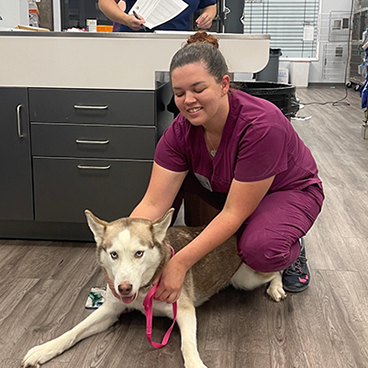
— By Dr. Anna Adams, DVM — Lymphoma is a highly malignant cancer that affects both humans and animals. It is one of the most common cancers in dogs and cats. In this article, we will provide an overview of this disease and answer questions that frequently arise. Lymph nodes are part of the…
Read MoreIntroducing Librela: A Revolutionary Osteoarthritis Injection for Dogs in Dallas

How to Monitor Your Pet’s Blood Glucose at Home with the Freestyle Libre

If your pet has been diagnosed with diabetes, it is very important to periodically monitor their blood glucose levels so we can determine the best insulin dose for them. A great way to help guide your pet’s individual plan is to utilize a device called a FreeStyle Libre, which makes monitoring blood glucose levels easy…
Read MoreWhat is Leptospirosis in Dogs: Your Questions Answered

– By Dr. Stephanie Rodriguez – Leptospirosis, a name that may not ring a bell for many pet owners, is a potentially deadly bacterial disease that poses a significant risk to dogs. It is caused by the elusive Leptospira bacteria, notorious for lurking in stagnant waters following heavy rains or flooding. Emerging most prominently…
Read MoreThe Golden Years: Providing Special Care for your Senior Dogs and Cats

As our pets age, their needs change and their bodies undergo transformations just like ours. The senior years mark a new chapter in their lives, demanding a new level of care and attention. In this article, we’ll get into the importance of caring for senior dogs and cats, highlighting the numerous benefits of providing them…
Read MoreItchy Pet Awareness Month: Common Dog Skin Conditions

The arrival of September isn’t just about cooler weather and getting the kiddos back to school. It’s also Itchy Pet Awareness Month. This month serves as a crucial reminder of the importance of understanding and addressing common skin conditions that cause itching in dogs (medically called “pruritis”). Our canine companions can’t communicate their discomfort verbally,…
Read MoreEverything You Need to Know About Heat Strokes in Pets

Summer is a fun time for us and for our pets too! Unfortunately, in Texas, summertime comes with scorching temperatures that can put our pets at risk for a heat stroke. With temperatures soaring well above 100 degrees Fahrenheit, the extreme heat can be serious for our furry friends. Pet owners must prioritize their pet’s…
Read More